Total Loss Car Accident: What It Means and What You Are Owed
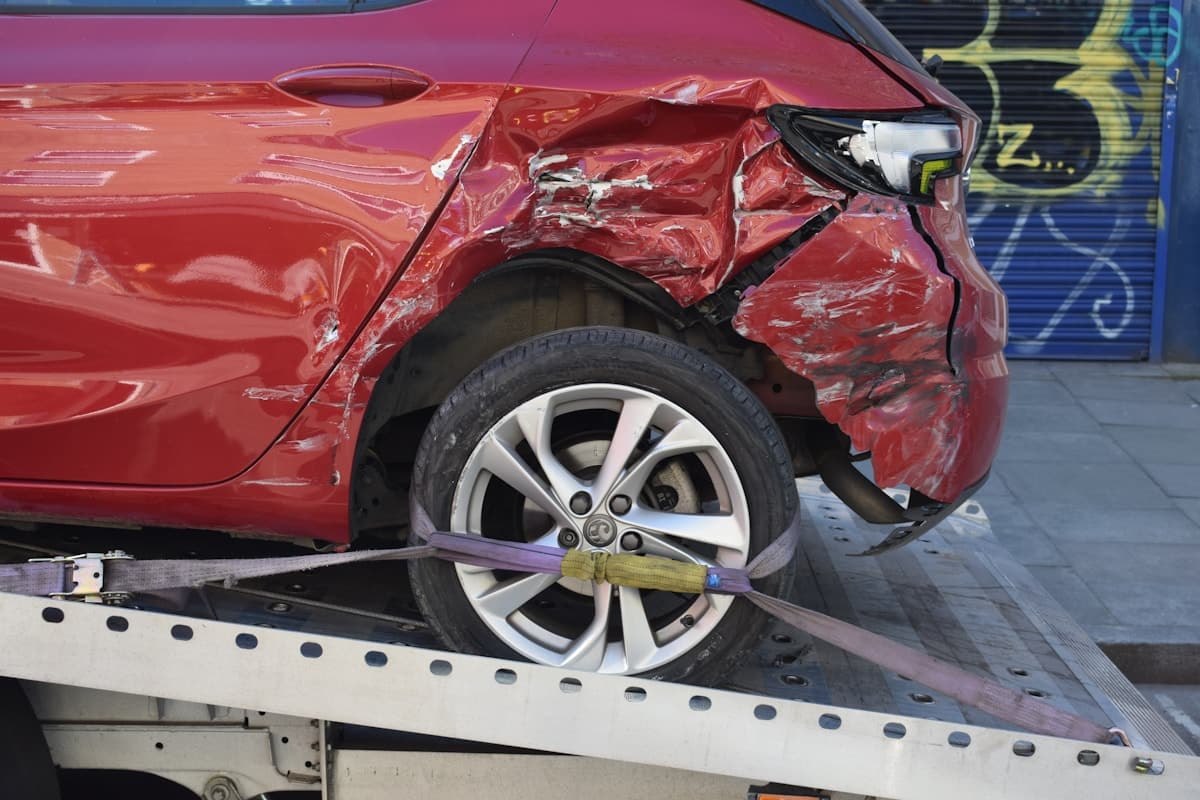
A total loss declaration means the insurer has determined your vehicle is not economically worth repairing. What you receive is the Actual Cash Value of the car before the accident - not what it costs to replace it with a comparable new vehicle. Understanding how ACV is calculated, and how to challenge a low offer, can mean thousands of dollars of difference in your settlement.
First Responder Insight: The vehicles we see declared total losses are often drivable-looking after cleanup. A car can appear minor from the outside but have a bent frame or compromised crumple zones that make it structurally unsafe. Total loss is an engineering and economic determination - do not assume a total loss offer is wrong just because the car looks repairable.
How an Insurer Determines a Total Loss
States use one of two methods to determine when a vehicle is a total loss:
Total Loss Threshold (TLT) Method
Most states use this approach. A vehicle is totaled when repair costs equal or exceed a set percentage of the vehicle's pre-accident value. This threshold ranges from 70% to 100% depending on the state. Example: a car worth $20,000 with $17,000 in repairs (85% of ACV) would be totaled in a state with a 75% threshold.
Total Loss Formula (TLF) Method
Some states (including Florida, Texas, and others) use this formula: if repair cost + salvage value is greater than or equal to ACV, the vehicle is a total loss. This accounts for what the damaged vehicle is worth as salvage. States using TLF often result in fewer total loss declarations than TLT states.
Understanding Actual Cash Value (ACV)
Actual Cash Value is the fair market value of your vehicle immediately before the accident - what a willing buyer would have paid a willing seller in a private transaction. ACV is not replacement cost. Depreciation is factored in.
How Insurers Calculate ACV
Insurers use a combination of sources to arrive at ACV:
- Comparable vehicle sales: Recent sales of similar vehicles (same make, model, year, trim, mileage, and condition) in your geographic market. Sources include dealer listings, CarGurus, AutoTrader, private-party sales, and reference guides such as Kelley Blue Book and NADA Guides.
- Third-party valuation services: Many insurers use services like CCC One, Mitchell, or Audatex to generate ACV estimates from market data.
- Vehicle condition: Adjustments are made for pre-accident condition, including any pre-existing damage, interior wear, or mechanical issues.
- Mileage: Higher mileage reduces ACV; lower-than-average mileage may increase it above standard valuations.
- Installed upgrades: Aftermarket or dealer-installed options that genuinely increase market value can be factored in, but only if you can document them.
How to Dispute a Low Total Loss Offer
The insurer's first offer is often lower than what your vehicle is actually worth. You have the right to negotiate. Here is how:
Research comparable vehicles yourself
Search for vehicles matching yours (same year, make, model, trim, mileage range, and condition) on AutoTrader, Cars.com, CarGurus, and local dealer sites. Document 5-10 listings showing actual asking prices in your area. If these are consistently higher than the insurer's offer, you have your negotiating foundation.
Request the insurer's valuation report
Ask the adjuster to provide the specific comparable vehicles used to calculate your ACV. Review each comparable for accuracy - the wrong trim level, significantly higher mileage, or vehicles in different condition than yours can all reduce the calculated ACV below what it should be.
Document your vehicle's condition and upgrades
Gather any maintenance records, receipts for upgrades or new tires, and photos showing the vehicle's pre-accident condition. If your vehicle was in exceptional condition or had recent work done, document this specifically and submit it in writing to the adjuster.
Submit a counteroffer in writing
Present your comparable listings and documentation to the adjuster in writing and make a specific counteroffer. A written submission is easier to escalate through the insurer's internal review process than a phone conversation.
Invoke the appraisal clause if negotiation fails
If you cannot reach an agreement, most auto policies include an appraisal clause that allows each side to hire an independent appraiser. The two appraisers then select a neutral umpire to resolve any disagreement. The umpire's decision is binding. This process costs money (you pay your appraiser), but it often resolves disputes for significantly more than the initial offer.
What Happens If You Owe More Than the Car Is Worth
Being "upside down" on a car loan - owing more than the vehicle is worth - is common and creates a significant problem when a car is totaled:
The Negative Equity Gap
Example: Your car is totaled. The ACV is $18,000. Your outstanding loan balance is $23,500. The insurer pays the lender $18,000. You still owe the lender $5,500 for a vehicle you no longer have.
GAP insurance (Guaranteed Asset Protection) covers this difference. If you purchased GAP through your dealer or insurer, it pays the gap between the ACV settlement and your remaining loan balance. GAP insurance typically costs $20-$40 per month when purchased from a dealer, or $5-$15 per month when added to your auto insurance policy. Without it, the remaining loan balance is your personal debt.
Keeping a Totaled Vehicle
In some cases, you can negotiate to keep your totaled vehicle (buying it back from the insurer). This may make sense if the damage is cosmetic, the vehicle is still drivable, or you plan to repair it yourself:
- The insurer deducts the salvage value from the total loss settlement if you keep the vehicle.
- The vehicle will receive a salvage title, which affects its future resale value and may affect your ability to insure it.
- Many lenders will not finance a vehicle with a salvage title, and some insurers will not provide comprehensive or collision coverage on salvage-title vehicles.
- In most states, a salvage-title vehicle must pass a rebuilt vehicle inspection before it can be legally driven on public roads again.
| Situation | What You Receive | What to Do |
|---|---|---|
| Car owned outright | Full ACV payment to you | Negotiate if offer seems low; use for replacement vehicle |
| Car financed, ACV exceeds loan | Lender paid off; you receive the difference | Confirm lender payoff amount before settling |
| Car financed, loan exceeds ACV (with GAP) | ACV to lender, GAP covers remaining balance | File GAP claim immediately; confirm lender receives full payoff |
| Car financed, loan exceeds ACV (no GAP) | ACV to lender; you owe the remaining balance | Negotiate ACV upward; contact lender about payment options |
| Car leased | ACV to leasing company | Check lease for early termination fees and GAP provisions (many leases include GAP) |
Key Takeaway
A total loss offer is negotiable. Do your own research on comparable vehicles before accepting the first number. If you owe more than the car is worth and do not have GAP insurance, you will be making loan payments on a vehicle you no longer own - consult your lender immediately. If you cannot reach a fair ACV through negotiation, the appraisal clause in your policy provides a binding resolution path. Never sign a release until you are satisfied with the total settlement.