Car Accident With No Insurance: Consequences and What to Do
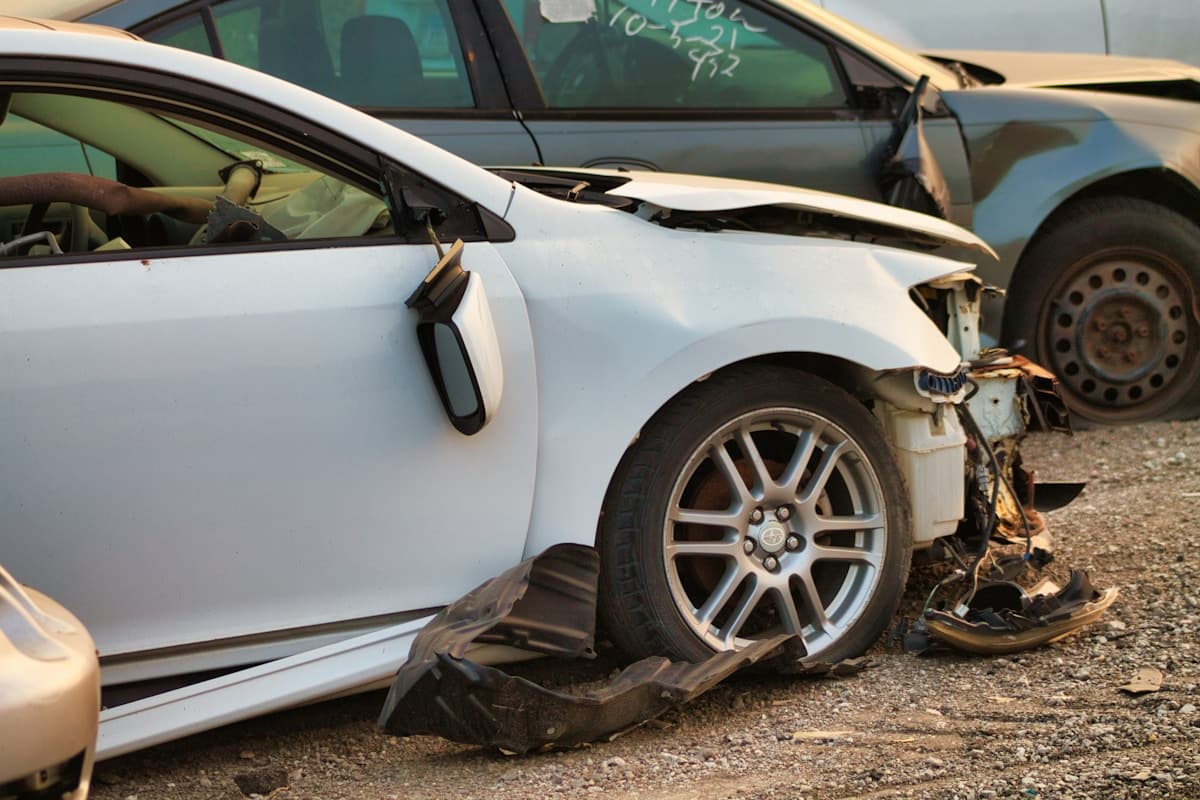
An estimated 1 in 7 drivers in the United States is uninsured, according to the Insurance Research Council. If you are in an accident without insurance - whether you caused it or were hit by an uninsured driver - the legal and financial consequences can be severe. Knowing your options immediately after the crash can limit the damage.
First Responder Insight: At accident scenes, we are focused on injuries and safety - not insurance status. Call 911, get medical attention if needed, and exchange information regardless of your insurance situation. Leaving the scene because you have no insurance is a criminal offense in every state and will make your situation significantly worse.
If You Caused the Accident and Have No Insurance
Legal Penalties
Driving without insurance is illegal in 49 states (New Hampshire is the exception, though it still requires proof of financial responsibility if you cause an accident). Penalties for being in an accident without insurance include:
| Penalty Type | Typical Range | Notes |
|---|---|---|
| Fines | $100 to $5,000+ | Varies widely by state; higher for repeat offenses |
| License suspension | 30 days to 1 year | Often requires SR-22 filing to reinstate |
| Vehicle registration suspension | Varies | May include impoundment in some states |
| Criminal charges | Misdemeanor or felony | Typically for repeat offenses or accidents with injury |
| SR-22 requirement | 1 to 5 years | Certification that you carry required insurance; raises premiums significantly |
Financial Consequences
Without insurance, you are personally responsible for every dollar of damage you caused to others - with no cap on that liability:
- Property damage: You owe the cost to repair or replace the other driver's vehicle.
- Medical bills: You are liable for all of the injured party's medical expenses, including hospital, surgery, rehabilitation, and future care.
- Lost wages: If the other party missed work due to injuries you caused, you owe that income.
- Pain and suffering: Non-economic damages can significantly exceed the medical and property costs.
- Court judgment enforcement: A judgment against you can be collected via wage garnishment, bank levies, and liens on real property for years into the future.
What to Do Immediately If You Caused an Accident Without Insurance
- Stay at the scene - leaving is a hit-and-run, which is a criminal offense
- Call 911 and ensure everyone receives medical attention
- Exchange contact information with the other driver
- Do not admit fault at the scene - even partial statements are used against you
- Document the scene with photos before vehicles are moved
- Consult an attorney before speaking to any insurance adjuster or investigator
- Get insurance immediately - before you drive again
If You Were Hit by an Uninsured Driver
Being struck by an uninsured driver is a frustrating situation, but you have options depending on your own policy coverages:
Uninsured Motorist (UM) Coverage
The most important protection against uninsured drivers. UM coverage on your own policy pays your medical bills, lost wages, and pain and suffering up to your coverage limit when an uninsured driver causes your injuries. Underinsured Motorist (UIM) coverage applies when the at-fault driver has some insurance, but not enough to cover your full damages. In many states, UM/UIM coverage is mandatory or must be offered with any auto policy.
Medical Payments (MedPay) or PIP Coverage
MedPay and Personal Injury Protection (PIP) on your own policy cover your medical bills regardless of fault. If the uninsured driver caused the accident, these coverages pay your immediate bills and you can pursue reimbursement through your UM coverage or a lawsuit later.
Collision Coverage for Your Vehicle
If the uninsured driver damaged your vehicle, your own collision coverage pays for repairs (minus your deductible). You can then pursue the at-fault driver personally or through your insurer's subrogation process.
Personal Lawsuit Against the At-Fault Driver
You can sue an uninsured driver personally. The challenge is collection - an uninsured driver often has limited assets to collect against. A judgment may be uncollectable immediately but can be enforced over years as the driver's financial situation improves. An attorney can assess whether a lawsuit is worth pursuing based on the driver's assets and the size of your damages.
States With "No Pay, No Play" Laws
If you were hit by an insured driver but you yourself were uninsured, these states limit your right to recover certain damages even when you were not at fault:
States with No Pay, No Play restrictions: Alaska, California, Indiana, Iowa, Kansas, Louisiana, Michigan, Missouri, New Jersey, North Dakota, and Oregon.
In these states, an uninsured driver who was not at fault may still be barred from recovering non-economic damages (pain and suffering, emotional distress). Economic damages (medical bills, lost wages, property damage) are typically still recoverable. The specific rules vary by state - consult a local attorney.
Getting Insurance After an Uninsured Accident
After an at-fault accident without insurance, getting coverage again is harder and more expensive:
- SR-22 requirement: Most states require an SR-22 certificate after an uninsured accident. This is not insurance itself - it is a form your insurer files with the state confirming you carry the minimum required coverage. You must maintain it continuously for 1-5 years.
- Higher premiums: An uninsured accident on your record will significantly increase your insurance premiums, often for 3-7 years.
- Non-standard market: Some standard insurers may decline to cover you after an uninsured accident. You may need to seek coverage from non-standard or high-risk auto insurers.
Key Takeaway
Driving without insurance risks far more than a fine. A single at-fault accident can result in a judgment for hundreds of thousands of dollars that follows you for years. If cost is the barrier, compare rates from multiple insurers - minimum liability coverage in most states costs less than $100 per month. If you were hit by an uninsured driver, your first call should be to your own insurer to activate Uninsured Motorist coverage. That is the coverage that protects you when the system fails.