Car Seat Safety and Replacement After Accidents
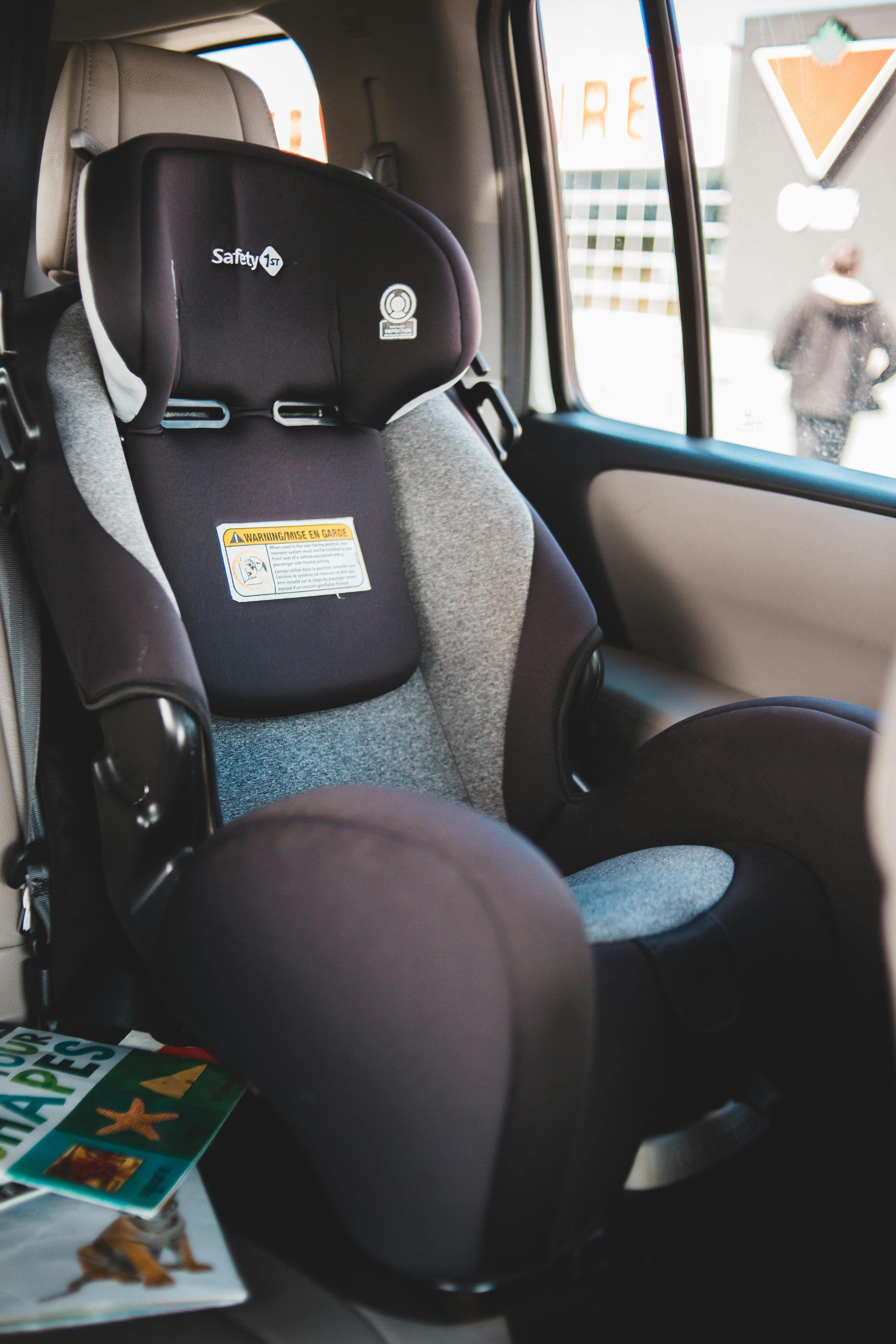
Critical Safety Warning: Car seats save children's lives in devastating crashes � but a seat involved in a crash may be structurally compromised even when it appears undamaged. Child safety is paramount: when there is any doubt, replace the seat.
Why Car Seat Replacement Matters
Car Seat Effectiveness � By the Numbers
Properly used car seats are among the most effective safety tools available, according to NHTSA:
- Reduce the risk of death in passenger vehicle crashes by 71% for infants under 1 year old
- Reduce the risk of death by 54% for toddlers ages 1�4
- Reduce the risk of serious injury by 67% for children ages 2�6 versus seat-belt-only use
These statistics apply only when car seats are properly installed and have not been compromised by a prior crash.
How Car Seats Protect Children
Car seats are engineered to absorb crash forces and protect your child through:
- Energy absorption: Materials compress and deform to absorb impact energy
- Structural integrity: Frame and shell distribute forces away from child
- Restraint systems: Harnesses and tethers keep child secured
- Side-impact protection: Wings and padding protect head and torso
Invisible Damage After Crashes
The Hidden Danger
Car seats are designed for one-time crash protection. Even if a car seat looks undamaged:
- Internal structures may have stress fractures
- Energy-absorbing materials may be compressed and ineffective
- Harness anchor points may be weakened
- The seat may fail in a subsequent crash
You can't see this damage with the naked eye, which is why replacement guidelines exist.
When You MUST Replace a Car Seat
NHTSA Guidelines
The National Highway Traffic Safety Administration (NHTSA) provides clear guidance on car seat replacement:
Replace After Moderate or Severe Crashes
Any crash that meets these criteria requires immediate car seat replacement:
- Vehicle cannot be driven away from the crash site
- Vehicle door nearest the car seat was damaged
- Anyone in the vehicle was injured
- Airbags deployed
- Visible damage to the car seat itself
Minor Crashes - May Not Require Replacement
A crash is considered "minor" ONLY if ALL of these criteria are met:
- The vehicle can be driven away from the crash site
- The vehicle door nearest the car seat was not damaged
- No vehicle occupants were injured
- Airbags did not deploy
- No visible damage to the car seat
Important: If even ONE of these criteria is not met, the crash is NOT minor and the car seat must be replaced.
Manufacturer Recommendations
Many car seat manufacturers recommend replacement after any crash, regardless of severity. Always check your specific car seat's manual. Manufacturer guidelines may be stricter than NHTSA recommendations.
When In Doubt, Replace It
Paramedic's Advice: The cost of a new car seat is nothing compared to your child's safety. If you have any doubt about whether the crash qualifies as "minor," err on the side of caution and replace the seat. Insurance will typically cover it, and your peace of mind is priceless.
Car Seats NOT Involved in the Crash
Important clarification: If a car seat was in the vehicle but not occupied during the crash, replacement guidelines depend on:
- Unoccupied but properly installed: Likely needs replacement in moderate/severe crash
- In the trunk or cargo area: May not need replacement if no visible damage
- Manufacturer guidance: Check specific recommendations
Documenting for Insurance Claims
Before Removing the Car Seat
Take extensive photos before removing the car seat from the vehicle:
- Car seat installed in vehicle from multiple angles
- Damage to vehicle near the car seat
- Overall vehicle damage showing crash severity
- Car seat label showing make, model, and manufacture date
- Any visible damage to the car seat itself
Information To Record
- Car seat details: Make, model, date of manufacture, date of purchase
- Purchase information: Where purchased, price paid (include tax)
- Receipts: Original purchase receipt if available (photo or digital copy)
- Child's information: Age and weight (shows appropriate use)
- Crash details: Police report number, insurance claim number
Keep the Damaged Car Seat
- Insurance may want to inspect it
- Don't discard until claim is settled
- Store it safely so children can't access it
- When disposing, cut harness straps to make it unusable
Filing Insurance Claims for Car Seat Replacement
Coverage
- At-fault driver's insurance: Property damage liability covers car seat replacement
- Your collision coverage: If you're at fault or in a single-vehicle crash
- Full replacement: Insurance should cover full cost of equivalent new car seat
What To Request
- Full replacement cost (not depreciated value - car seats don't depreciate for safety purposes)
- Comparable or better model if exact model is no longer available
- Installation verification or installation service cost
- Sales tax and shipping if applicable
Common Issues and Solutions
If Insurance Denies or Lowballs Your Claim
- Provide NHTSA guidelines showing replacement is required
- Submit manufacturer recommendations
- Show comparable new car seat prices
- Emphasize that child safety equipment doesn't depreciate
- Reference police report showing crash severity
- If necessary, include car seat cost in overall property damage claim or settlement
Choosing a Replacement Car Seat
Size and Age Appropriateness
Use this opportunity to ensure your child is in the right seat for their current size:
- Rear-facing: Birth to at least age 2 (longer is safer)
- Forward-facing with harness: After outgrowing rear-facing, until at least age 5
- Booster seat: Until seat belt fits properly (usually 8-12 years old)
- Seat belt: When child is tall enough for proper belt fit (usually 4'9" tall)
Safety Features To Look For
- Side-impact protection
- Five-point harness system (for harnessed seats)
- LATCH (Lower Anchors and Tethers for Children) system compatibility
- Easy-to-use and adjust (proper use is critical)
- Meets or exceeds federal safety standards
- Not recalled (check NHTSA recall database)
What NOT To Do
- Don't buy used: You can't know its crash history
- Don't use expired seats: Check manufacture date; seats expire 6-10 years after manufacture
- Don't use recalled seats: Check NHTSA.gov for recalls
- Don't reuse the crashed seat: Even if it looks fine
Proper Car Seat Installation
Installation Methods
- LATCH system: Use vehicle's built-in anchors (for seats under 65 lbs total weight)
- Seat belt installation: Thread vehicle seat belt through car seat
- Tether strap: Always use top tether for forward-facing seats
Checking Proper Installation
- 1-inch rule: Installed car seat should move less than one inch side-to-side or front-to-back
- Correct angle: Follow manufacturer guidelines for recline angle
- Tight installation: Use your body weight to compress seat while tightening
- Harness fit: Chest clip at armpit level, straps snug (can't pinch excess webbing)
Free Installation Help
- Certified technicians: Find a child passenger safety technician at cert.safekids.org
- Inspection stations: Many fire stations and police departments offer free inspections
- Installation events: Community events with certified technicians
- Hospital programs: Some hospitals verify installation before taking newborns home
General Car Seat Safety Tips
Proper Use
- Rear-facing longer is safer: Keep child rear-facing to at least age 2, ideally until they max out seat's rear-facing limits
- Harness straps at or below shoulders: For rear-facing; at or above for forward-facing
- No bulky clothing: Remove puffy coats before buckling; use blanket over harness instead
- Chest clip at armpit level: Not on stomach or neck
- Snug harness: Can't pinch excess strap material at child's shoulder
Common Mistakes
- Transitioning to next stage too early
- Loose installation
- Loose harness straps
- Incorrect harness slot height
- Not using tether strap on forward-facing seats
- Using both LATCH and seat belt (use one or the other, not both)
- Aftermarket products not crash-tested with the seat
Car Seat Expiration
Car seats expire 6-10 years after manufacture (varies by manufacturer):
- Materials degrade over time (plastics, foam, webbing)
- Safety standards improve
- Check label on seat for expiration date
- Never use an expired car seat
Additional Resources
- NHTSA: NHTSA.gov � Car Seats and Booster Seats (official guidelines, recalls, and fitting station locator)
- Safe Kids Worldwide: SafeKids.org � car seat safety tips and inspection events
- NHTSA Recall Lookup: Check your car seat for active recalls
- Find a Certified Technician: cert.safekids.org � free installation inspections near you
The Bottom Line on Car Seat Safety
Car seats are proven life-saving devices � but only when installed correctly and free from prior crash damage. Properly installed seats have protected children in catastrophic crashes. Improperly installed or previously compromised seats have failed in crashes that should have been survivable. After any accident, replacing a child's car seat is not optional � it is essential. Document it, file the insurance claim, and have the new seat inspected by a certified technician. A child's safety may literally depend on it.