Complete Guide to Pedestrian Accidents
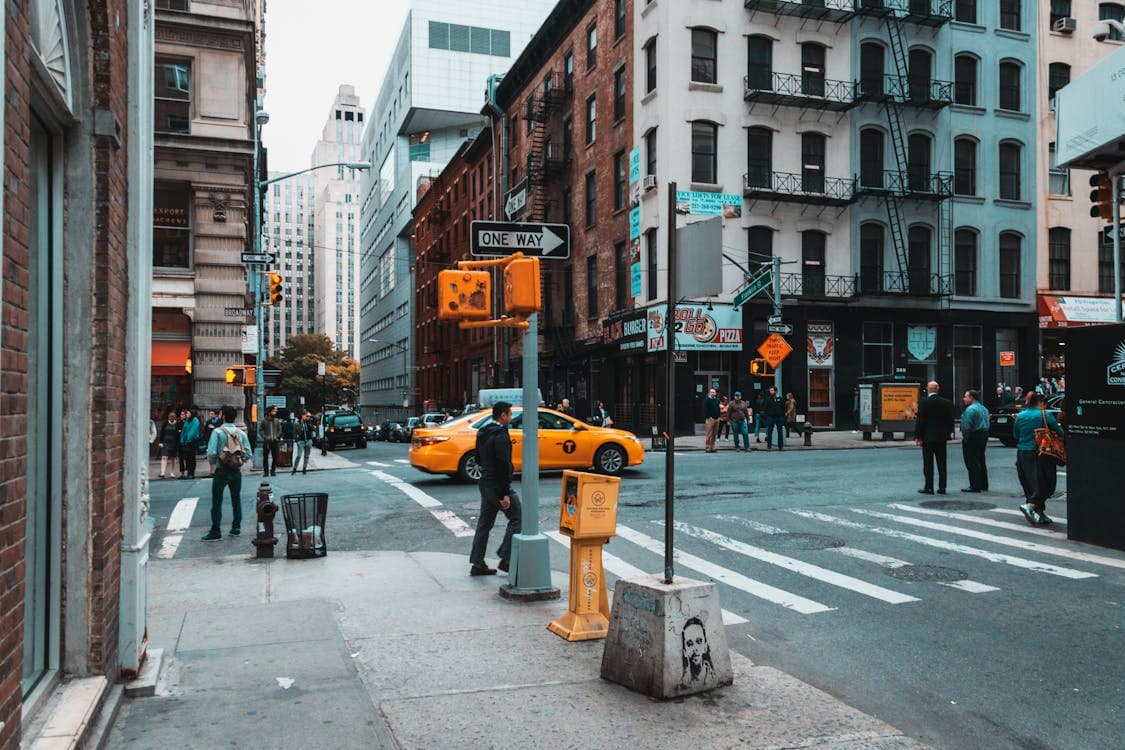
Pedestrians struck by a vehicle are entitled to compensation for medical bills, lost income, and pain and suffering � even when partially at fault under comparative negligence laws. In most states, drivers bear the greater legal responsibility when a pedestrian is struck in a crosswalk or any location where pedestrian presence is reasonably foreseeable.
Clinical Reality: Pedestrians have zero protection when struck by a vehicle. The human body against several thousand pounds of metal and momentum � the physics are unforgiving. Pedestrian accidents produce some of the most severe traumatic injuries seen in emergency medicine, and the legal aftermath is often complex.
Understanding Pedestrian Accidents
Pedestrian accidents occur when a person on foot is struck by a motor vehicle. These collisions are particularly dangerous because pedestrians have no protective barrier and absorb the full force of impact.
Statistics and Severity
- A pedestrian is killed approximately every 70 minutes in U.S. traffic crashes � 7,522 pedestrian fatalities in 2022 (NHTSA)
- Over 53,000 pedestrians were injured in police-reported crashes in 2022 (NHTSA Traffic Safety Facts)
- Pedestrian deaths account for about 18% of all traffic fatalities (NHTSA 2022)
- 83% of pedestrian fatalities occur in urban areas (NHTSA)
- 74% of pedestrian fatalities occur in non-daylight conditions (NHTSA)
- Speed is a critical factor � survivability drops sharply above 30 mph
Common Causes of Pedestrian Accidents
Driver Negligence
The majority of pedestrian accidents are caused by driver error or negligence:
- Distracted driving: Phones, navigation, passengers - driver not watching for pedestrians
- Failure to yield: Not yielding at crosswalks or intersections
- Speeding: Excessive speed reduces reaction time and increases impact force
- Impaired driving: Alcohol or drugs affecting driver judgment and reaction
- Running red lights/stop signs: Illegal and extremely dangerous
- Turning violations: Failing to check for pedestrians when turning
- Backing up: Not checking behind vehicle before reversing
Visibility Issues
- Darkness or poor lighting
- Pedestrian wearing dark clothing at night
- Weather conditions reducing visibility
- Obstructed sight lines (parked cars, vegetation, buildings)
- Sun glare
Pedestrian Actions
While drivers are usually at fault, pedestrian behavior can contribute:
- Jaywalking or crossing outside designated areas
- Walking in roadways where sidewalks exist
- Entering traffic suddenly (darting out)
- Distracted walking (phones, headphones)
- Pedestrian intoxication
- Ignoring traffic signals
Types of Pedestrian Accidents
Crosswalk Accidents
- Marked crosswalks: Driver fails to stop for pedestrian in crosswalk
- Unmarked crosswalks: Intersections where pedestrians have right-of-way even without paint
- Signal-controlled: Driver runs red light or turns without yielding
- Legal implications: Drivers almost always at fault when hitting pedestrian in legal crossing
Parking Lot Accidents
- Backing vehicles striking pedestrians
- Drivers not watching for foot traffic
- Children are particularly vulnerable
- Low speeds but serious injuries still possible
Roadside/Sidewalk Accidents
- Vehicle leaving roadway and striking pedestrian on sidewalk
- Pedestrian walking on shoulder hit by passing vehicle
- Bicycle-pedestrian collisions
Hit and Run
- Driver flees scene without stopping
- Criminal offense with serious penalties
- Creates additional legal and insurance complications
- Witness information becomes critical
Immediate Actions After a Pedestrian Accident
If You're the Injured Pedestrian
- Don't move if seriously injured: Spinal injuries are common. Only move if there's immediate danger (ongoing traffic, fire).
- Call 911 or have someone call: You need both police and medical response.
- Stay calm and still: Let paramedics assess and stabilize you.
- Try to remember details: Vehicle description, direction, license plate if possible.
- Accept ambulance transport: Even if you feel okay, get medical evaluation.
If You Witness a Pedestrian Accident
- Call 911 immediately: Provide exact location and condition of pedestrian
- Don't move the victim: Unless immediate danger exists
- Control bleeding: Use direct pressure with clean cloth if possible
- Keep victim still and calm: Talk to them, provide reassurance
- Note vehicle information: Make, model, color, license plate, direction of travel
- Take photos: Scene, vehicle, damage, road conditions
- Stay to give a statement: Witness testimony can determine the outcome
- Record your contact information: Give it to the victim or police
Critical for Hit and Run Cases
If the driver flees, witnesses are essential. Try to note:
- License plate number (even partial)
- Vehicle make, model, color
- Distinguishing features (damage, stickers, unique characteristics)
- Direction of travel
- Driver description if visible
- Dashcam or security camera footage from nearby buildings
Common Pedestrian Accident Injuries
Impact Injuries
- Lower extremity fractures: Legs, knees, ankles often struck first
- Pelvic fractures: From hood/bumper impact
- Rib fractures and chest trauma: From striking hood or windshield
- Head injuries: From hitting hood, windshield, or pavement
- Spinal injuries: From impact force or being thrown
Secondary Impact Injuries
When the pedestrian is thrown and hits the ground or other objects:
- Traumatic brain injury from head striking pavement
- Additional fractures
- Spinal cord damage
- Road rash and abrasions
Severity by Impact Speed
Speed Kills: The Data
According to AAA Foundation for Traffic Safety research, the probability of severe injury or death rises dramatically with vehicle speed:
- 23 mph impact: ~10% risk of severe injury or death
- 32 mph impact: ~25% risk of severe injury or death
- 42 mph impact: ~50% risk of severe injury or death
- 50+ mph impact: ~75%+ risk � often fatal
This is why speed limits in pedestrian areas save lives.
Long-Term Consequences
- Permanent disability or paralysis
- Chronic pain conditions
- Traumatic brain injury effects (cognitive, emotional, physical)
- Disfigurement and scarring
- PTSD and anxiety about crossing streets
- Loss of mobility and independence
Legal Rights of Pedestrians
Right-of-Way Laws
Specific laws vary by state (see our state guides), but general principles include:
- Crosswalks: Pedestrians almost always have right-of-way in marked crosswalks
- Intersections: Pedestrians typically have right-of-way at intersections, even without marked crosswalks
- Sidewalks: Vehicles crossing sidewalks (driveways, parking lots) must yield to pedestrians
- Signals: Pedestrians must obey traffic signals where they exist
Comparative Negligence
Even if a pedestrian was partially at fault (jaywalking, distracted, etc.), they can still recover damages in most states. The amount may be reduced by their percentage of fault.
- Pure comparative negligence states: Can recover even if 99% at fault
- Modified comparative negligence states: Can't recover if 50% or 51%+ at fault (varies by state)
- Contributory negligence states: Any fault bars recovery (only a few states)
Insurance Claims for Pedestrian Accidents
Driver's Insurance
- Primary coverage: Driver's auto liability insurance covers pedestrian injuries they cause
- Bodily injury limits: May not be sufficient for serious pedestrian injuries
- Medical payments: May provide immediate medical coverage
Your Own Insurance
Even as a pedestrian, your own auto insurance may provide coverage:
- Uninsured/underinsured motorist (UM/UIM): Often covers you as a pedestrian hit by uninsured or underinsured driver
- Medical payments (MedPay): May cover your medical bills regardless of fault
- Personal injury protection (PIP): In no-fault states, may cover pedestrian injuries
Hit and Run Cases
- Your UM/UIM coverage typically applies
- Some states have victim compensation funds
- Police investigation critical to identify driver
- Time limits for reporting to insurance
Building Your Case
Critical Evidence
- Police report: Essential official documentation
- Witness statements: Independent witnesses are extremely valuable
- Photos and video: Scene, injuries, vehicle damage, road conditions, traffic controls
- Medical records: Document all injuries and treatment
- Surveillance footage: Traffic cameras, business security cameras, dashcams
- Crosswalk/signal status: Document whether you were crossing legally
- Clothing/personal items: Damage shows impact severity
What To Document
If you're able, or have someone help you:
- Exact location and time
- Weather and light conditions
- What you were doing (crossing in crosswalk, walking on sidewalk, etc.)
- Vehicle's actions (speeding, ran light, failed to yield, etc.)
- Driver information and insurance
- Witness contact information
- Your injuries and symptoms
Preventing Pedestrian Accidents
For Pedestrians
- Use crosswalks and obey signals: Cross at designated locations
- Make eye contact: Ensure drivers see you before crossing
- Look both ways: Even in a crosswalk with signal
- Be visible: Wear bright/reflective clothing at night
- Avoid distractions: Put phone away when crossing streets
- Stay on sidewalks: Use them when available
- Face traffic: When walking on roads without sidewalks, walk facing oncoming traffic
- Stay sober: Alcohol impairs judgment for pedestrians too
For Drivers
- Slow down in pedestrian areas: School zones, neighborhoods, shopping areas
- Yield at crosswalks: It's the law
- Look before turning: Check for pedestrians before all turns
- Check blind spots: Especially when backing up
- Eliminate distractions: Watch for pedestrians, not your phone
- Be extra careful at night and in bad weather
First Responder's Final Advice
Pedestrian accidents are preventable tragedies. Drivers: slow down and pay attention - that person crossing the street is someone's loved one. Pedestrians: use crosswalks and stay alert - even when you have the right of way, a two-ton vehicle wins every time. If you are struck as a pedestrian, treat it as the serious medical and legal event it is. Get immediate medical care, document everything possible, and consult with an experienced pedestrian accident attorney. Insurance companies will try to blame you - don't let them minimize your injuries or your rights.