Rental Car After an Accident: Who Pays and How to Get One
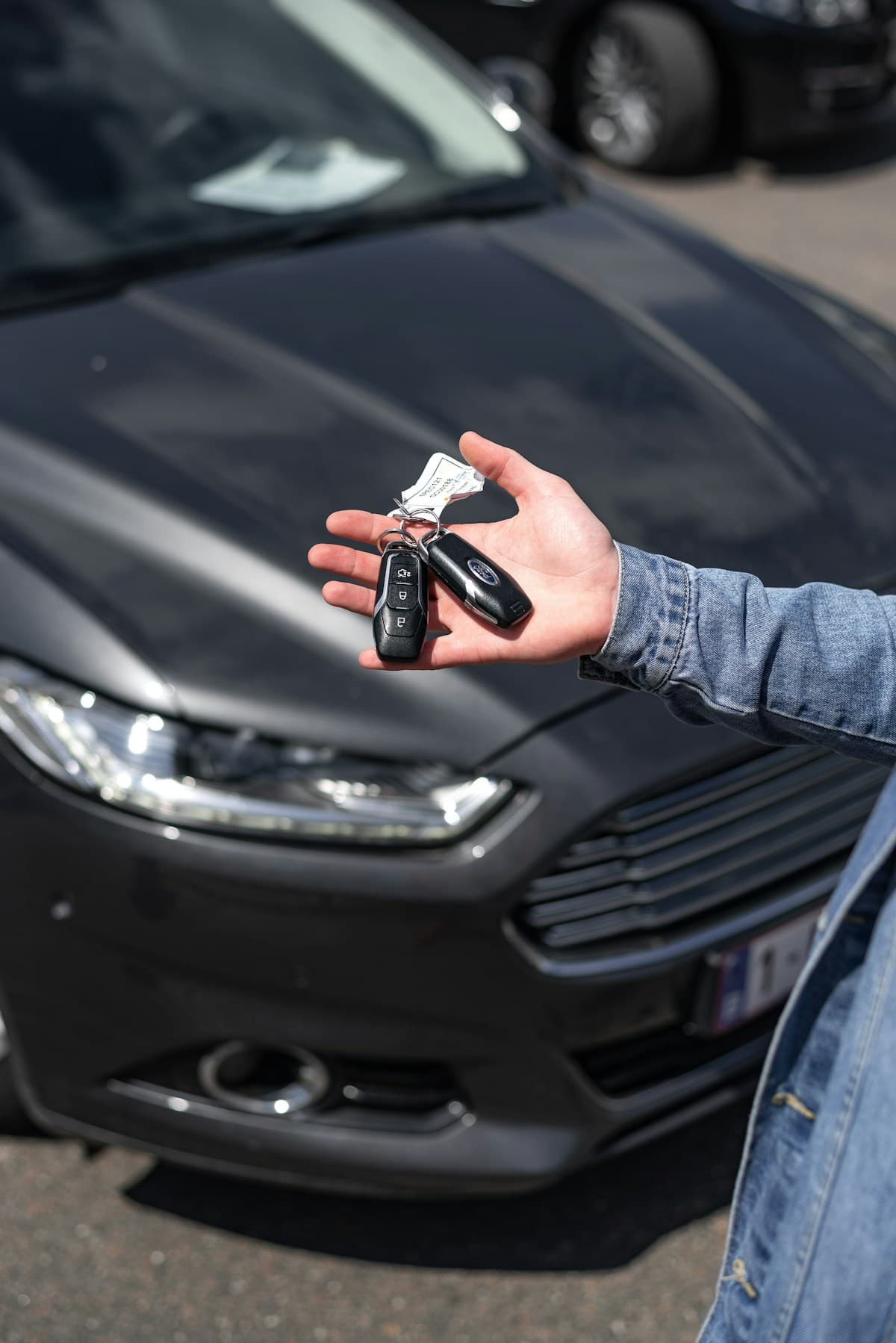
After an accident, getting a rental car quickly is a practical need - but getting the right party to pay for it requires understanding how insurance coverage works. The at-fault driver's liability insurance owes you a rental as part of your property damage claim. Your own rental reimbursement coverage serves as a faster backup when the at-fault insurer drags their feet.
First Responder Insight: At crash scenes, we see people focus entirely on their immediate physical needs and not think about transportation home or in the coming days. Get the other driver's insurance information at the scene every time, even in minor crashes - that is your key to rental coverage. Without it, you are starting from scratch.
Who Pays for a Rental Car After an Accident?
There are three possible sources of rental car coverage after an accident. Which one applies depends on who was at fault and what coverages you carry:
At-Fault Driver's Liability Insurance
When it applies: The other driver was clearly at fault
Their property damage liability covers your rental as "loss of use." This is the preferred route - their insurer pays directly and there is no deductible for you.
Your Rental Reimbursement Coverage
When it applies: Fault is disputed, the at-fault insurer delays, or the other driver is uninsured
This optional add-on to your policy pays your rental costs up to a daily and total limit (commonly $30/day up to $900). No deductible on rental reimbursement coverage alone.
Your Collision Coverage
When it applies: You file under your own collision coverage
Your insurer pays your repair claim (subject to your deductible). Rental reimbursement coverage is a separate add-on - collision alone does not include rental.
Step-by-Step: Getting a Rental Car After an Accident
Contact the at-fault driver's insurer directly
Call the at-fault driver's insurance company as soon as possible and open a property damage claim. Provide the accident date, location, your contact information, and the at-fault driver's policy information. Request a rental vehicle under the "loss of use" provision of the claim. Many insurers can set up a rental car within 24-48 hours once liability is accepted.
Use your own rental reimbursement coverage if there is any delay
If the at-fault insurer disputes liability, delays the process, or the driver is uninsured, contact your own insurer immediately and use your rental reimbursement coverage. Keep all receipts and document daily rental costs. You can seek reimbursement from the at-fault insurer later.
Choose a rental that matches your vehicle class
The at-fault insurer is obligated to provide a comparable vehicle to your damaged car. You are not entitled to an upgrade unless your vehicle was in that class. Going significantly above your vehicle class creates a reimbursement dispute. Select a practical vehicle for the rental period.
Decline unnecessary rental car add-ons if covered elsewhere
Check whether your personal auto insurance, credit card, or Collision Damage Waiver from your own policy covers the rental. The rental company's insurance products are often expensive duplicates. However, if none of your existing coverages apply to the rental, the Loss Damage Waiver can be worth purchasing.
Return the rental promptly after your vehicle is repaired or totaled
Rental coverage extends only through the reasonable repair period. For a total loss, coverage typically ends within 3-5 business days of the settlement offer. Continuing the rental beyond that point becomes your personal expense.
Rental Car Coverage Limits: What to Expect
| Coverage Source | Typical Daily Limit | Total Limit | Deductible |
|---|---|---|---|
| At-fault insurer (loss of use) | Comparable vehicle cost | Entire repair/total loss period | None (their obligation) |
| Your rental reimbursement | $30-$50/day (varies by policy) | $900-$1,500 (varies by policy) | None on rental reimbursement itself |
| Credit card benefit | Varies ($30-$75/day) | Varies (typically up to $50,000) | None (secondary to your auto insurance) |
When the At-Fault Insurer Refuses or Delays Rental Coverage
Insurers sometimes delay rental approval while they investigate liability. This is frustrating, but there are steps you can take:
- Use your own coverage first. Do not wait days without transportation. Activate your rental reimbursement coverage and document every dollar. You can recover costs from the at-fault insurer later.
- Put everything in writing. Email the at-fault insurer requesting rental approval and keep copies. This creates a paper trail for a future claim or complaint.
- File a complaint with your state insurance commissioner. Insurers have a duty to handle claims in good faith and within a reasonable timeframe. Unreasonable delays are violations you can report.
- Consult an attorney. A demand letter from an attorney often resolves delays within days. Most personal injury attorneys offer free consultations and can address rental disputes as part of a broader claim.
If Your Car Is Totaled: Important Rental Timing
Once the insurer declares your vehicle a total loss, rental coverage does not run indefinitely. Most insurers will cover the rental for 3 to 5 business days after making a total loss settlement offer - giving you time to purchase a replacement. If you believe the total loss settlement offer is too low, negotiate that separately, but expect to return the rental once a reasonable settlement timeline has passed. Unreturned rentals after an offer result in costs charged back to you.
Rental Car Coverage If You Were At Fault
If you caused the accident, your liability insurance covers the other driver's rental car. Your own rental car coverage depends entirely on whether you added rental reimbursement to your own policy:
- With rental reimbursement coverage on your policy: Your insurer pays for your rental up to the policy limits.
- Without rental reimbursement coverage: You pay for your own rental out of pocket. Collision coverage alone does not include rental car costs.
- If you filed under collision: Your vehicle repair is covered (minus your deductible). Rental reimbursement is a separate coverage that must be specifically added to your policy.
Key Takeaway
If the other driver was at fault, their insurance owes you a comparable rental car for the duration of your repair - at no cost to you. Do not wait for them if they delay: use your own rental reimbursement coverage immediately and document costs for reimbursement. If you are at fault or your policy lacks rental coverage, add rental reimbursement to your policy now - it typically costs $2-$5 per month and pays for itself the first time you need it.