Bicycle Accident Guide: What to Do If You're Hit by a Car While Cycling
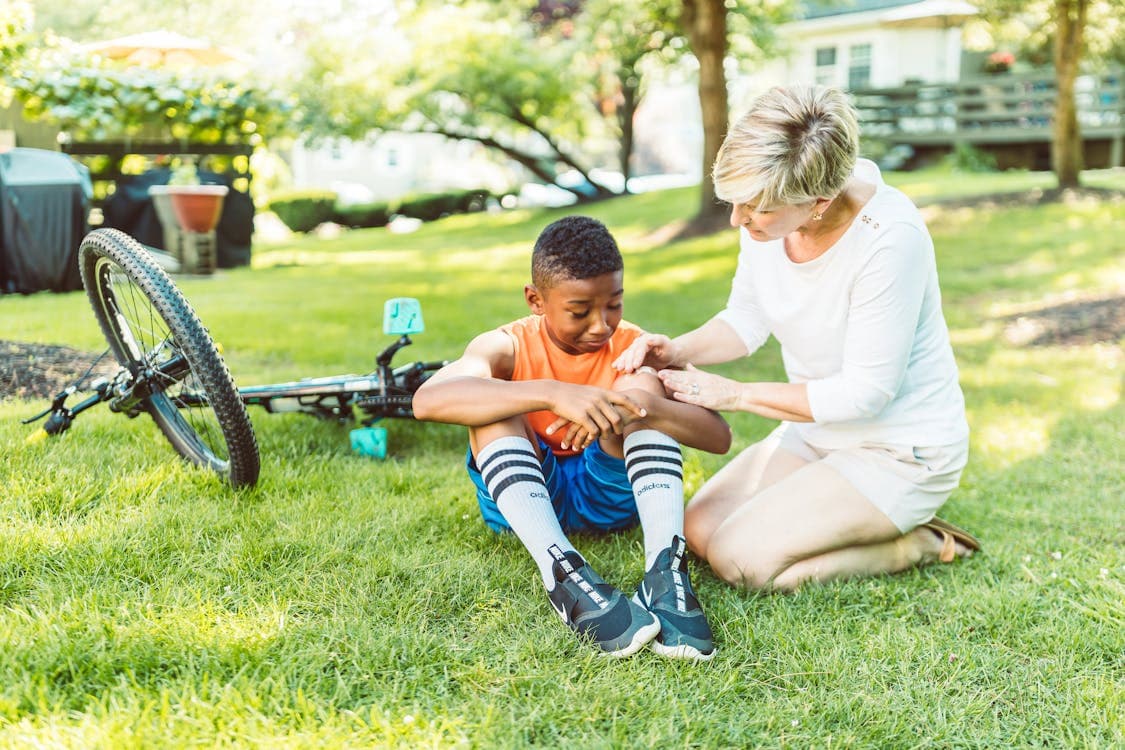
Cyclists hit by a car have the same legal right to full compensation as any other accident victim � including medical bills, lost wages, and pain and suffering. Comparative fault laws in most states allow partial recovery even if the cyclist contributed to the crash; the critical factors are documenting the scene immediately and seeking medical care even when injuries are not immediately apparent.
Clinical Reality: Cyclists are among the most vulnerable road users. Unlike a pedestrian, a cyclist is often moving at speed when struck � which means greater launch distance, secondary impacts, and complex trauma patterns. Being hit by a car on a bicycle should be treated as a serious medical and legal event, even when the victim feels okay in the moment.
Bicycle Accident Statistics
- In 2022, 966 cyclists were killed in motor vehicle crashes in the U.S. (NHTSA Traffic Safety Facts 2022)
- An estimated 49,000 cyclists were injured in police-reported crashes in 2022 (NHTSA)
- 78% of cyclist fatalities occur in urban areas � intersections and arterial roads are the highest-risk zones (NHTSA)
- 29% of fatal cycling crashes involve alcohol � either in the driver, the cyclist, or both (NHTSA 2022)
- Per mile traveled, cyclists are more than twice as likely to be injured as car occupants (IIHS Fatality Facts)
- Cycling fatalities have increased 44% over the past decade, driven by larger vehicles and increased cycling participation (IIHS)
Common Causes of Bicycle Accidents
Driver-Caused Crashes
- Failure to yield at intersections: The most common fatal crash type � driver turns across a cyclist's path
- Dooring: Parked car occupant opens door into cyclist's path, often launching them into moving traffic
- Distracted driving: Driver not watching for cyclists, especially in urban areas
- Unsafe passing: Passing too close without leaving adequate space
- Rear-end collisions: Driver following too closely or not seeing a cyclist slowing
- Right hook: Driver passes cyclist then turns right across their path
Road and Environmental Hazards
- Potholes, uneven surfaces, and pavement gaps � far more dangerous to cyclists than cars
- Railroad tracks, metal grates, and drainage grates can catch narrow tires
- Wet or icy pavement dramatically reduces braking distance and traction
- Poor lighting in bike lanes increases nighttime crash risk
Cyclist-Contributing Factors
While drivers cause the majority of serious bicycle crashes, cyclist behavior can contribute:
- Riding against traffic (wrong way) � greatly increases head-on crash risk
- Running red lights or stop signs
- Riding without lights at night
- Impaired cycling
- Distracted cycling (earbuds, phone)
Immediate Actions After a Bicycle Accident
If You Are the Injured Cyclist
- Don't get up immediately: Assess yourself first. Adrenaline masks injury. If you have neck or back pain, stay still and wait for EMS.
- Move out of traffic if safe: Only if you can do so without aggravating injuries. Get to the curb or sidewalk.
- Call 911: Always. You need both police documentation and medical evaluation.
- Do not remove your helmet if injured: A damaged helmet is evidence of impact force � photograph it before removing.
- Photograph everything: Your bike, the vehicle, damage, road conditions, skid marks, the intersection or bike lane, and your injuries.
- Get the driver's information: Name, license, insurance, license plate, vehicle description.
- Collect witness information: Names and phone numbers. Witnesses are especially valuable in cyclist-vs-car cases.
- Accept medical transport: Head injuries, internal bleeding, and spinal trauma may not be obvious at the scene.
- Do not minimize your condition to the driver, police, or insurance companies.
Photograph Your Helmet and Gear
Your damaged helmet, cycling clothing, and any protective gear are evidence. Document them before cleaning, discarding, or repairing anything. Damage patterns on a helmet can show exactly what part of your head impacted and at what force � this is critical medical and legal evidence.
- Photograph helmet damage from all angles
- Document tears, road rash, and damage on cycling clothing
- Note damage to gloves, shoes, and any lights or mirrors
- Preserve all gear � do not discard until case is resolved
Common Bicycle Accident Injuries
Head and Brain Injuries
The leading cause of serious injury and death in cycling crashes:
- Traumatic brain injury (TBI): Can occur even with helmet use
- Skull fractures: More severe in unhelmeted riders
- Concussion: Often delayed symptoms � headache, confusion, light sensitivity
- Facial fractures: Jaw, nose, orbital bones from ground or vehicle impact
Road Rash
Friction burns from pavement contact � more extensive in cyclists than motorcyclists because cyclists typically have no protective gear on legs and arms:
- Ranges from superficial abrasions to deep tissue damage
- Road debris embedded in wounds creates serious infection risk
- Can require surgical debridement and skin grafting
- Often leaves permanent scarring
Orthopedic Injuries
- Collarbone (clavicle) fractures: Most common cycling fracture � from outstretched arm impact
- Wrist and forearm fractures: Breaking a fall instinctively
- Leg and ankle fractures: From direct vehicle impact or entanglement with the bike
- Shoulder dislocations and rotator cuff tears
Internal Injuries
- Splenic and liver lacerations from handlebar or vehicle impact
- Pneumothorax (collapsed lung) from rib fractures
- Internal bleeding � often not apparent at scene
Legal Rights of Cyclists
Cyclists Are Vehicles Under the Law
In all 50 states, bicycles are considered vehicles and have the same legal rights on the road as motor vehicles. This means:
- Cyclists have the right to use the full lane when a bike lane is not present or safe
- Drivers must yield to cyclists just as they yield to other vehicles
- Most states require drivers to give cyclists at least 3 feet of clearance when passing
- A driver who hits a cyclist in a bike lane is almost always at fault
Dooring Liability
When a parked car's door strikes a cyclist, liability typically falls on the person who opened the door:
- Most states have laws requiring drivers/passengers to check for traffic before opening doors
- The car owner's liability insurance covers the injured cyclist
- Even if the cyclist was not in a marked bike lane, the door-opener is usually at fault
- The cyclist may have a claim against both the door-opener and the driver
Helmet Laws and Comparative Negligence
Helmet requirements vary by state and age. Not wearing a helmet where required � or where a court finds it contributed to head injuries � can reduce your compensation:
- In comparative negligence states, compensation is reduced by your percentage of fault
- If you weren't wearing a helmet but suffered only leg injuries, helmet use is irrelevant to your claim
- An attorney can argue the causal connection (or lack thereof) between helmet use and specific injuries
Insurance Claims After a Bicycle Accident
Whose Insurance Covers You?
- At-fault driver's auto liability insurance: Primary coverage for your injuries and bike damage
- Your own auto insurance UM/UIM: Covers you if the driver is uninsured or underinsured, even though you were on a bike
- Your MedPay coverage: Pays medical bills regardless of fault � check your auto policy
- Your health insurance: Secondary coverage for medical treatment
- Homeowner's/renter's insurance: May cover bicycle theft or damage in some policies
What You Can Claim
- Medical expenses (current and future)
- Bicycle repair or replacement at full value
- Lost wages and future earning capacity
- Pain and suffering
- Replacement of damaged gear (helmet, clothing, lights)
Preventing Bicycle Accidents
For Cyclists
- Wear a properly fitted helmet: Reduces head injury risk by approximately 85% (IIHS research)
- Use lights and reflectors at night: Front white light and rear red light are required by law in most states
- Follow traffic laws: Stop at signals, use hand signals, ride with traffic (not against it)
- Be predictable: Ride in a straight line, signal turns, avoid weaving
- Watch for dooring zones: When riding past parked cars, look for occupants
- Make eye contact at intersections: Confirm drivers see you before crossing
- Wear bright or reflective clothing: Especially at dawn, dusk, and night
For Drivers Sharing the Road
- Give cyclists at least 3 feet � slow down and wait for a safe opportunity to pass
- Check mirrors and blind spots before opening your door after parking
- Yield to cyclists in bike lanes at driveways and intersections
- Treat cyclists as you would any slow-moving vehicle � with patience
- Watch for cyclists when turning right � the "right hook" is a leading cause of cyclist death
Frequently Asked Questions
What should I do if a car hits me while I'm riding my bike?
Stay calm. Don't get up immediately � assess yourself for injury first. Call 911. Document everything with photos including your helmet, gear, and the vehicle. Get the driver's insurance information. Accept medical evaluation even if you feel okay. Do not minimize your injuries or admit any fault.
Does car insurance cover bicycle accident injuries?
Yes. If a car driver caused your accident, their auto liability insurance covers your injuries and bike damage. Your own auto policy's uninsured motorist (UM) and medical payments (MedPay) coverages may also apply to you as a cyclist � even though you weren't in a car at the time.
What is a "dooring" accident and who is at fault?
A dooring accident occurs when someone in a parked vehicle opens their door into a cyclist's path. The person opening the door is almost always at fault � most states require checking for oncoming traffic before opening a door. Their vehicle's insurance covers your injuries.
Paramedic's Message to Cyclists
I've responded to cyclists who looked fine on scene and were found to have internal injuries requiring surgery. I've also seen cyclists assume they're fine, refuse transport, and then call 911 hours later. Please get evaluated every single time you're hit by a vehicle. Wear your helmet. Use lights at night. And if you are hit � document everything, don't apologize, don't minimize, and don't let a driver or insurance company tell you a cyclist "shouldn't have been in the road." You have rights. Exercise them.