What Happens If You Don't Report a Car Accident?
⚠️ Quick Answer
Failing to report a car accident can result in criminal hit-and-run charges (if you left the scene), license suspension, insurance claim denial, and personal financial liability for all damages. Most states legally require you to call police when someone is injured or property damage exceeds a set threshold. Even when a police call is not legally required, failing to notify your own insurer promptly can void your coverage.
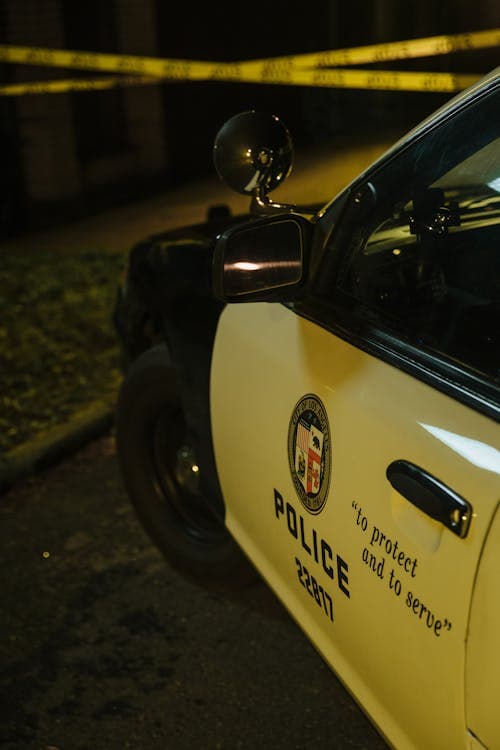
Whether it's a minor fender-bender where both drivers seem fine, or a panicked moment where someone drives away, the question of what happens when an accident goes unreported comes up more than you'd expect. As someone who has worked hundreds of accident scenes, I'll walk through the real consequences - and why reporting is almost always the right call, legally, financially, and medically.
Three Different Things "Not Reporting" Can Mean
There are actually three distinct reporting obligations after a car accident, each with separate consequences for non-compliance:
Criminal Consequences: Hit-and-Run Laws
Every state has laws requiring drivers involved in accidents to stop, provide identification and insurance information, and render reasonable aid to anyone injured. Violating these laws is commonly called "hit-and-run" or "failure to remain," and it is a crime in all 50 states.
Penalties by Severity
| Scenario | Charge Level | Typical Penalties |
|---|---|---|
| Property damage only | Misdemeanor | Fines $500–$5,000; up to 1 year jail; license suspension |
| Injury to another person | Felony (most states) | Fines $5,000–$20,000+; 1–5 years prison; license revocation |
| Serious injury or death | Felony | Fines $10,000–$50,000+; 5–15 years prison; license revocation |
Important: Hit-and-Run Statistics
In 2024, NHTSA estimated 2,758 fatal hit-and-run crashes in the United States - approximately one every 3.2 hours. These are among the most prosecuted traffic offenses. Law enforcement uses witness descriptions, surveillance cameras, debris analysis, and paint transfer evidence. The odds of being identified after a hit-and-run are higher than most people assume.
When Are You Legally Required to Call Police?
State laws vary, but the following circumstances almost universally require you to call police:
- Any injury or death - always required, no exceptions
- Property damage above the state threshold - commonly $500–$2,500 (varies by state)
- Suspected impaired driver - you should always call if you believe the other driver is intoxicated
- Hit and run by the other driver - file a report even if they fled
- Government vehicle involved - special reporting requirements
- Uninsured driver - police report is essential for your UM claim
When Police May Not Be Required
In some states and circumstances, you are not legally required to call police if:
- No one is injured
- Both vehicles are drivable and damage is clearly below the state threshold
- Both drivers agree on fault and want to handle it privately
However - even when not legally required, calling police is almost always the smarter choice. Private "agreements" at the scene frequently fall apart when the other driver changes their story, denies fault, or claims injuries they didn't mention.
Insurance Consequences of Not Reporting
Your Duty to Report Promptly
Auto insurance policies universally contain a "duty to cooperate" and "prompt notification" clause. Failing to report an accident to your insurer - even an accident that wasn't your fault - can give them grounds to deny your claim.
- Most policies require notification within 24–72 hours of the accident
- Some policies specify a number of days; others say "as soon as practicable"
- The insurer must show they were actually prejudiced by the delay to deny a claim in most states - but don't test this
- Even if your insurer doesn't deny your claim for late reporting, gaps in records weaken your position in any dispute
Scenario: Private Settlement Gone Wrong
A common situation: two drivers agree to handle a minor fender-bender privately to avoid insurance rate increases. One driver pays for repairs out of pocket. Two weeks later, the other driver claims neck pain, hires an attorney, and sues for personal injury. Without a police report or insurance notification, the paying driver:
- Has no official record of what happened
- May face late-reporting denial from their insurer
- Has no documented evidence of fault or injury (or lack thereof) at the scene
- Is now personally liable without insurance backing
This scenario plays out regularly. It is why accident attorneys tell every client: always call police, always report to your insurer.
DMV / State Reporting Requirements
Separate from calling police, many states require you to file a written accident report with the DMV or state transportation agency when damage exceeds a threshold.
- California: Must file SR-1 form with DMV within 10 days if damage exceeds $1,000 or anyone is injured
- Florida: Report required if damage exceeds $500 or injury/death occurs
- Texas: If police did not investigate, file a CR-2 form within 10 days if damage exceeds $1,000 or injury/death
- New York: MV-104 form required within 10 days if damage exceeds $1,000 or anyone injured
Failure to file required state reports can result in license suspension in many states. Check our state-by-state guides for your specific state's requirements.
What To Do If You Already Left the Scene
If you drove away from an accident - whether from panic or confusion - here is what to do:
- Return to the scene if it's safe and the accident just occurred
- Call police and report the accident as soon as possible - voluntary reporting can be viewed favorably
- Consult an attorney immediately before speaking to anyone about the accident
- Do not post anything on social media about the accident or your location
- Document your side - your recollection of events, road conditions, your vehicle's state
Penalties are typically less severe if you turn yourself in rather than being identified by investigators. Time matters - the sooner you address it, the better your position.
Why Reporting Always Wins
Across thousands of accident cases, there is no scenario where skipping the report produces a better outcome. What does happen: drivers who pay thousands out of pocket for "minor" accidents that turn into injury claims weeks later, with no documentation protecting them. Drivers who try to handle it quietly and end up losing their license. Drivers who leave the scene and spend years dealing with criminal charges. Report the accident. Every time.
Is Failure to Report an Accident a Criminal Offense?
It depends on what "failure to report" means in your specific situation. Leaving the scene of an accident without stopping, identifying yourself, and rendering reasonable aid is a criminal offense in all 50 states - this is hit-and-run law, and it applies whether the damage is to a parked car or a person. Property-damage-only hit-and-run is typically a misdemeanor; hit-and-run involving injury is a felony in most states, carrying potential prison time. By contrast, simply failing to call police for a minor fender-bender where no one is injured and damage falls below your state's reporting threshold is generally not a criminal offense - it's an administrative matter that may result in license suspension if a required DMV report goes unfiled. Failing to notify your own insurer is a contract violation, not a crime, though it can cost you coverage. The criminal line is crossed when you leave the scene without making contact.
Frequently Asked Questions
What happens if you don't report a car accident to police?
If police reporting was legally required and you didn't call, you may face license suspension, fines, and potentially hit-and-run charges if you left the scene without exchanging information. Without a police report, your insurance claim becomes significantly harder to pursue or defend.
Do I have to report a minor fender-bender?
It depends on your state's damage threshold. If damage appears to exceed $500–$2,500 (varies by state), you likely have a legal reporting obligation. Regardless of the law, you should always exchange insurance information and notify your own insurer promptly.
What happens if I don't tell my insurance about an accident?
Your insurer may deny your claim for late reporting. Most policies require "prompt" notification - typically within 24–72 hours. Even if you weren't at fault, your policy's duty-to-cooperate clause means you must notify them.
The other driver said not to call police. Should I listen?
No. Common reasons a driver asks you not to call police: they are uninsured, have a suspended license, have warrants, or were impaired. Without a police report, you have no official record, and they may later dispute what happened or claim injuries.
I hit a parked car and no one was around. What do I do?
Leave a note with your name, phone number, and insurance information prominently on the vehicle. Then call police to report it and notify your own insurer. Leaving without any contact information is a hit-and-run, even in a parking lot.
Sources & Citations
- NHTSA Traffic Safety Facts 2024 (Early Estimates) - Hit-and-run data
- NHTSA - Hit-and-Run Crashes: Prevalence, Contributing Factors and Countermeasures
- State DMV reporting requirement statutes (CA DMV SR-1, FL HSMV 90010, TX CR-2, NY MV-104)
- Insurance Information Institute - Auto Claims and Coverage